Frequently Asked Questions

Q1.

What is a business website template?

A business website template is a ready-made design or coded foundation that provides pages and sections commonly needed to present a company, its services, expertise, and contact information.
Q2.

Are business templates suitable for small companies?

Yes. They can provide a practical starting point for small companies, provided the page structure, technology, customization requirements, and ongoing maintenance match the business's actual needs.
Q3.

Do business templates include a CMS?

Not necessarily. CMS availability depends on the individual product. Static HTML and some framework-based templates may require direct code changes or separate CMS integration.
Q4.

Can I customize the template to match my brand?

Customization depends on the product format, but editable templates may allow changes to colors, typography, content, imagery, navigation, sections, and other visual elements.
Q5.

Are contact forms already functional?

Not always. A template may only provide the form interface. Sending submissions can require a backend, email platform, CRM, API, or third-party form service.
Q6.

Can I add a blog to a business template?

It depends on the product. Some templates provide blog layouts, but publishing and managing posts dynamically may require CMS functionality or additional development.
Q7.

Can I use a business template for client work?

Possibly. Commercial and client usage depends on the individual product license, so verify permitted usage and project limits before purchasing.
Q8.

Are business templates mobile responsive?

Many modern products are designed for multiple screen sizes, but responsiveness should still be verified on the individual product demo and specifications before purchase.
Q9.

Do business templates include backend functionality?

Not automatically. Databases, authentication, CRM connections, customer portals, payments, and other server-side systems may need separate development or integration.
Q10.

What should I check before purchasing?

Review the technology, included pages, responsiveness, customization options, CMS requirements, integrations, dependencies, documentation, licensing, included assets, and seller support information.

Business

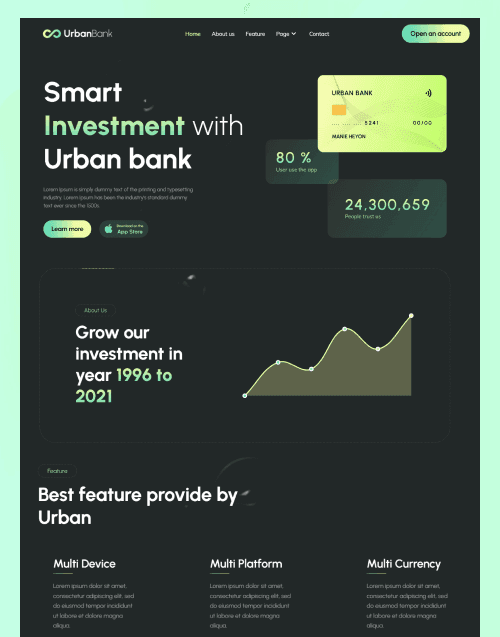
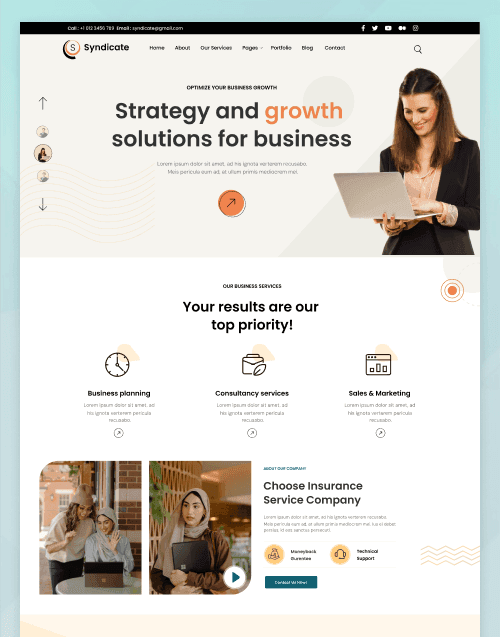
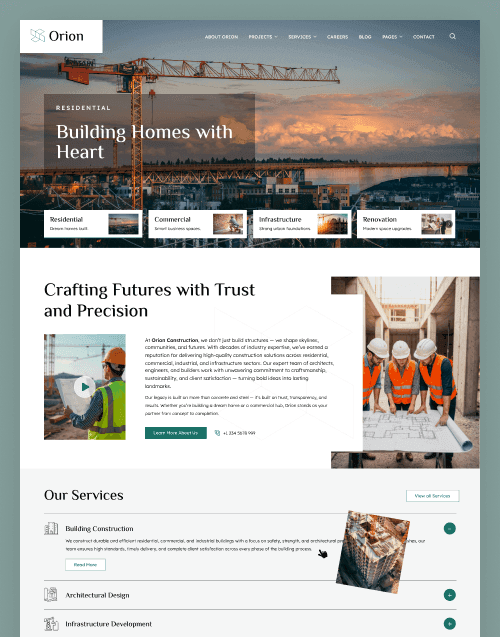
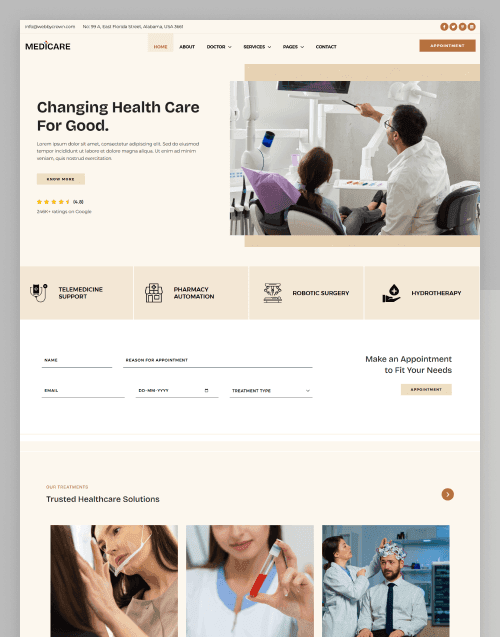
Business website templates are ready-made designs or coded foundations created for companies that need a professional online presence. They may include layouts for services, company information, teams, projects, testimonials, blogs, pricing, and contact pages. Product formats and functionality vary, so buyers should confirm whether CMS features, forms, integrations, or backend systems are actually included.

Best Downloads

Discover the most in-demand top-downloaded items trusted by top businesses.

Newly Added

Discover the most in-demand top-downloaded items trusted by top businesses.

Top Rated

Skyrocket your creativity with our Top rated collection of supreme.

What Are Business Website Templates?

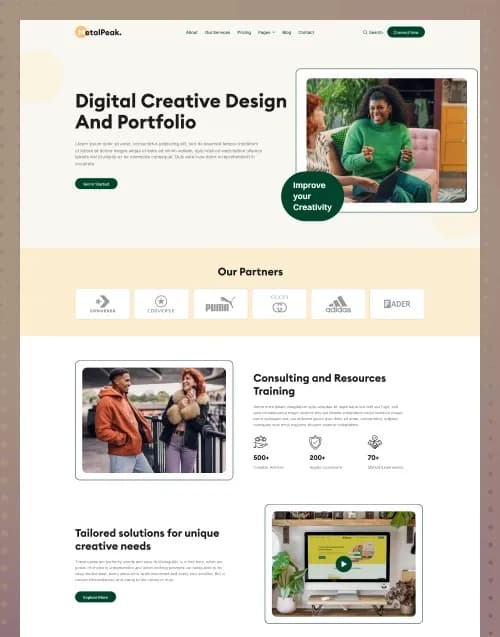
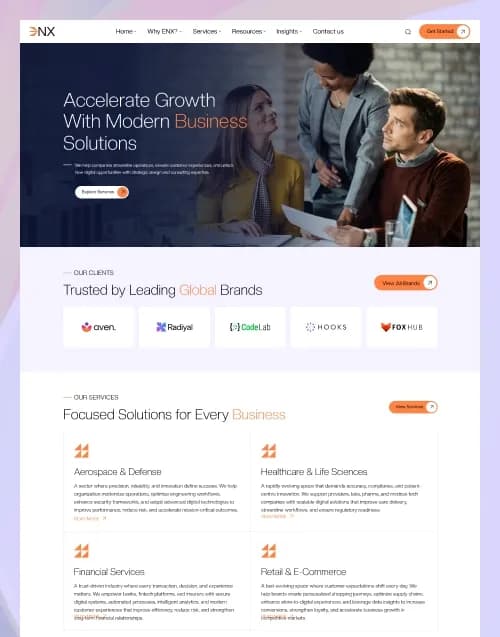
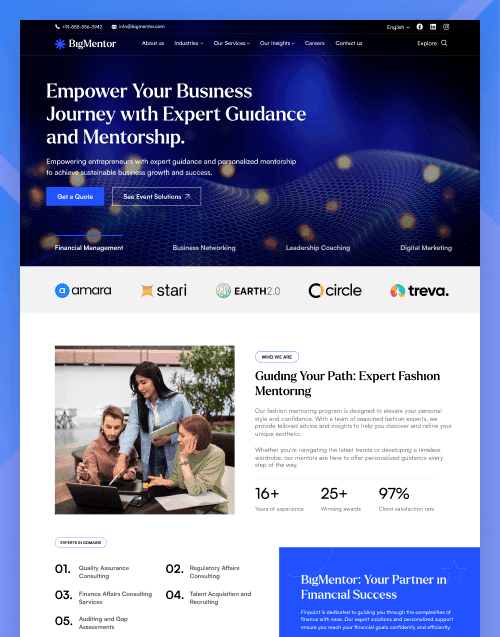
Business website templates provide pre-designed pages and reusable sections for creating websites that explain what a company does, present its services, establish credibility, and help visitors take the next step.

Depending on the individual listing, a template may provide HTML source code, framework-based components, CMS functionality, or another format. The exact pages, functionality, documentation, integrations, and licensing can differ between marketplace sellers.

What You Can Find in Business Website Templates

  • Small business templates
  • Service company templates
  • Consulting website templates
  • Startup website templates
  • Agency website templates
  • Professional services templates
  • Local business templates
  • Finance business templates
  • Technology company templates
  • Multipurpose business templates

Who Should Use Business Website Templates?

  • Small business owners
  • Startups
  • Consultants
  • Professional service providers
  • Agencies
  • Freelancers
  • Developers
  • Local businesses
  • Growing companies

How to Choose the Right Business Website Template

Start by defining the main purpose of your website. A consulting business may focus on expertise and lead generation, while a local service company may prioritize service information, locations, contact details, and enquiries. Your business goal should determine the structure you need.

Next, list the essential pages. Many business websites require Home, About, Services, Service Details, Contact, and possibly Blog, Team, Projects, Pricing, FAQ, or Testimonials. Avoid paying for complexity that does not support your content.

Check the product format and technology before purchasing. HTML templates usually require code editing and separate hosting setup. Framework-based templates require relevant development knowledge, while CMS products follow different content-management workflows. Choose the format your team can realistically maintain.

The visual demo should not be your only decision factor. A contact form displayed in a template may still require an email service, backend, CRM, or API connection. Similarly, login, appointment, search, payment, or customer-account screens do not automatically mean those systems are functional.

Responsive behavior is also important because visitors may reach a business website from phones, tablets, and desktops. Review navigation, typography, content hierarchy, calls to action, service layouts, and how important information appears on smaller screens.

Think about future content requirements. If your company expects to publish articles, add services, expand locations, recruit employees, or create new landing pages, make sure the template structure can support those changes without excessive redevelopment.

WebbyTemplate's guide to choosing a website template for your business recommends evaluating the platform, required functionality, customization, mobile experience, and long-term requirements rather than choosing by appearance alone.

Finally, review documentation, dependencies, included assets, license terms, seller support information, and any additional development required after purchase.

  • Launching a new small business website
  • Replacing an outdated company website
  • Creating a consultant or professional services site
  • Building a startup's first company website
  • Creating an agency lead-generation website
  • Establishing an online presence for a local business
  • Expanding a simple website into a structured multi-page site

Business Website Templates Quality Notes

  • Confirm the exact product format.
  • Check which pages are included.
  • Do not assume CMS functionality is provided.
  • Forms may require separate integration.
  • Verify mobile and responsive layouts.
  • Check third-party libraries and dependencies.
  • Login or account screens do not prove authentication.
  • Payment interfaces do not guarantee payment processing.
  • Verify included images, fonts, and other asset rights.
  • Review the individual license and seller support terms.
  • Corporate
  • Marketing
  • Creative
  • Portfolio
  • Technology
  • Software
  • Admin Templates
  • Site Templates

Frequently Asked Questions

Subscribe Now for Insider Access

Our newsletter is more than just updates it's your pass to the latest news, special promotions, and curated content designed to keep you ahead.

Business Website Templates for Companies | WebbyTemplate